Key Takeaways
- An intercom system lets residents answer the door, see who's there, and grant building access all from their smart phone: no in-unit panel or phone landline required.
- A video intercom for multifamily building entrances is one of the highest-visibility technology upgrades a property can make, because it's the system residents, guests and service providers interact with every single day.
- The best intercom systems are part of a larger building access control platform, not standalone devices. Integration with your Property Management System (or PMS) and package management is what separates a good system from a great one.
- Watch out for consumer-grade hardware and vendors who don't handle support directly. In multifamily housing, if the intercom system has an outage this is immediately felt by every resident in the building.
The intercom is often the first access control upgrade a multifamily property makes, and it’s almost always the one residents notice most. It’s there every time a guest arrives, every time a delivery is attempted, every time someone needs to be “buzzed in” from the lobby. When it works well, it fades into the background. When it doesn’t, it becomes a top source of resident complaint.
The good news is that intercom technology has improved significantly in recent years. Multifamily intercom systems are better than ever, the resident experience is genuinely improved, and the systems that are available now are capable of much more than just ringing a phone.
Here’s what you need to know to choose the right one.
What an Intercom System Actually Is
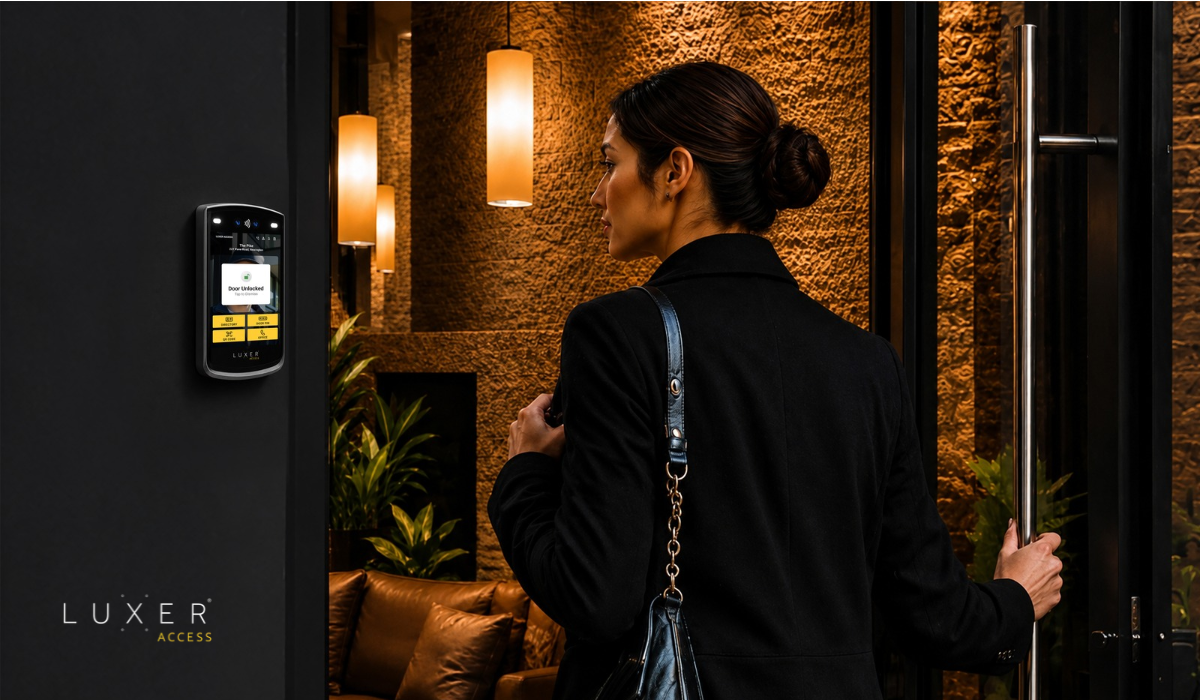
An intercom system allows residents to communicate with visitors at a building’s entry points and grant or deny building access without being physically at the door or standing in front of a traditional wall-mounted panel. When a visitor “buzzes” a unit, the resident gets a notification on their smartphone, sees live video of who’s there, can speak with the visitor, and unlock the door, all from their current location. This is the core of a modern multifamily intercom system with door release: the “release” happens from the resident’s phone, not from a wall-mounted panel.
This is a meaningful shift from older systems, which usually required a hardwired connection between the call box and an in-unit panel, and often depended on a landline phone (which fewer and fewer residents even have). Wireless intercom systems route calls through the building’s internet infrastructure and the resident’s mobile phone, eliminating the need for in-unit hardware. For property teams comparing intercom systems for building entry points, that shift is the biggest difference. Moving to a one software system, allows communication at the front door to seamlessly shift into a modern experience that residents expect.
What Residents Expect From a Modern Intercom
Resident expectations for intercom have moved far beyond audio-only call boxes. Here’s what the current standard looks like:
Video. Residents can see who’s at the door before they open it. High-definition video, including night vision for low-light situations, is now an expectation.
Remote access from anywhere. A resident doesn’t need to be home to let in a housecleaner, a family member, or a service technician. Modern intercom systems route calls to the resident’s phone regardless of where they are, and allow door release from anywhere with a signal. At Work? On a Trip? As long as you have your mobile device.
Guest access management. The ability to create recurring access for frequent visitors or issue a time-limited code for a one-time service call removes the need for the resident to be available every time someone needs to come in.
One app for everything. Residents who have to juggle separate apps for intercom, common and amenity access, unit locks , and package pickup tend to get frustrated, and that frustration reflects on the property. An intercom that’s built into a broader access platform, so one app handles all of it, is increasingly what renters expect in luxury buildings.

What property managers need from an intercom system
A complete audit trail. Every call, every door release, and every access event should be logged and searchable. When a question comes up about who accessed the building and when, you’re able to answer it quickly.
Cloud management. Property managers don’t need to be on-site to add a new resident to the directory, troubleshoot an issue, or pull an entry log. Cloud-based access control systems mean everything can be accessed remotely.
PMS integration. An intercom that syncs with your property management software and keeps the resident directory updated automatically, so new residents are added when they move in; former residents are removed when they leave. There are no manual updates, and no outdated directories.
Carrier and delivery access. The intercom is the first entry point for delivery carriers, and it’s also where the majority of properties experience daily friction. An intercom that connects to your package management platform can automate carrier access, so you can issue temporary building entry to verified carriers without any staff involvement.
Reliable hardware. Intercom panels live outside, face near-constant use, and are occasionally bumped and exposed to harsh weather conditions. The hardware must be built for multifamily environments, not something repurposed from a consumer product line.
things to watch out for
Proprietary lock-in. Some intercom vendors use hardware and software that only works within their own ecosystem, making it difficult and expensive to expand or switch later on. This often adds more time and frustration to their day. Ask specifically about system compatibility, who is responsible for support, and how the integration process works before you commit.
No integration story. A standalone intercom that doesn’t connect to your access control system or PMS means more manual work and more disconnected data. Ask how the system talks to your existing PMS.
Consumer-grade hardware. Video doorbells designed for single-family homes sometimes get pitched to multifamily properties. However, they’re not built for the amount of access usage, and don’t meet the durability requirements or complex management needs of a multifamily building main entrance.
Unclear support ownership. An intercom that goes down is immediately felt by every resident trying to enter the building. Know in advance who you call in that scenario, how fast they will respond, and whether resident calls are directed to the vendor or back to your team.
How Luxer Access Handles an Intercom System
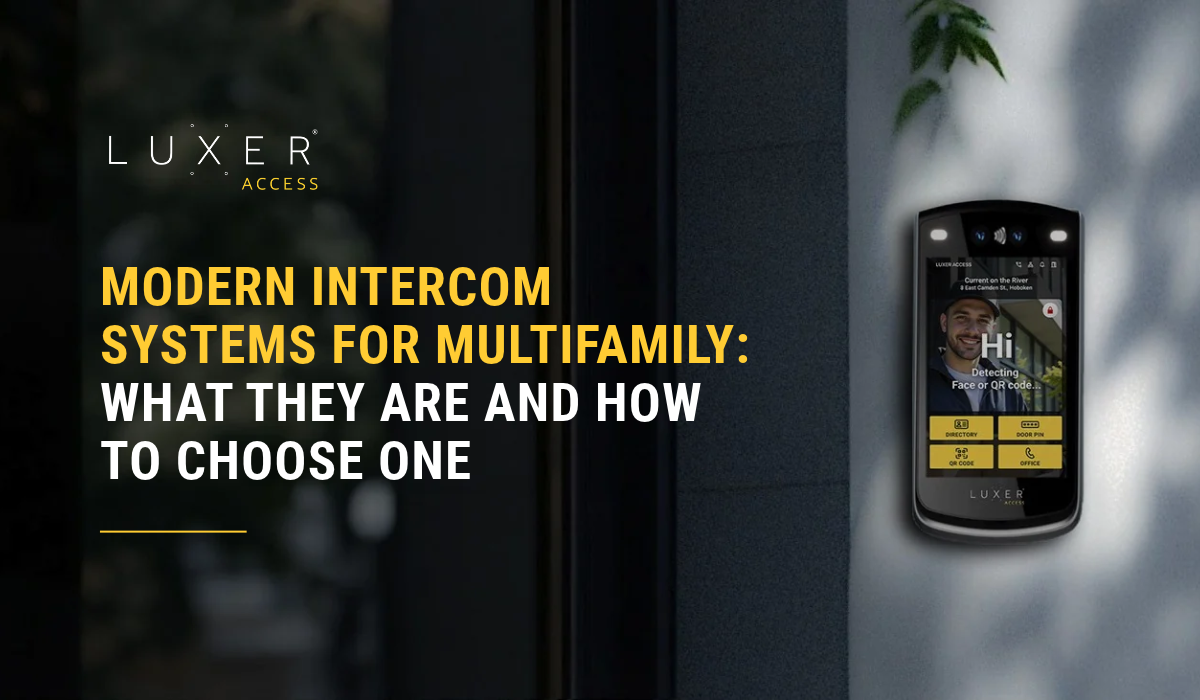
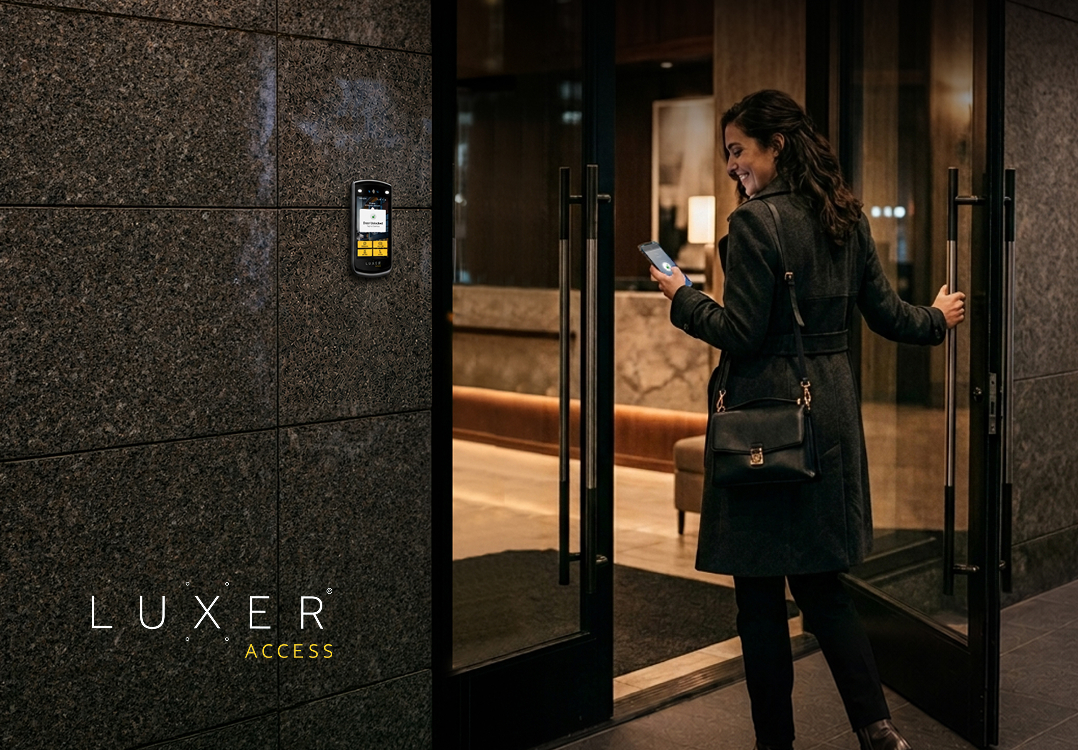
The Luxer Access video intercom is built specifically for multifamily and highlights the industry’s unique needs. high-definition cameras, facial recognition, night vision, cloud management, and full integration with the broader Luxer Access platform. As one of the cloud-based access control systems designed for multifamily communities, it allows residents to receive intercom calls in the same app they use for building access, package pickup, and guest management. Property managers can handle everything through the same cloud dashboard used for credentials and entry logs.
The system integrates with carrier access tools, so when a delivery driver arrives, the intercom is part of an automated entry process rather than a separate system that requires an additional call to the office.
The hardware is backed by ASSA ABLOY, which means it’s built to the durability and security standards of the world’s largest physical security company.
Learn more about how Luxer Access’s video intercom fits into a unified access ecosystem at luxeraccess.com.